HARoma · the house
One house. Each oil traced to its source.
HARoma brings together distillers and formulators who document what is in the bottle: species, origin, extraction and batch analysis.
The Botanical Elements
The range, read as a table.
Each oil is an element: a number, a two-letter symbol and an aromatic family. It is not a chemistry chart. It is a way of reading the range by plant. Each tile opens its Library.
Materia Aromatica
Three ways into the range
An essential oil is a botanical, a scent and a place. The range reads every way: by plant, by aroma and by origin.
01 · By Plant
The Libraries
One genus read across its species, chemotypes and origins.
02 · By Scent
The Families
Eight aromatic families, grouped by the chemistry behind each note.
03 · By Origin
The Regions
Ten growing regions, from Provence to the Himalaya and the Andes.
Explore the HARoma collections


HARoma takes its name from हा, to attain. Every oil in the house is chosen by plant, origin and distillation, and sold with what is known about it.
Best Sellers


Holiday sets

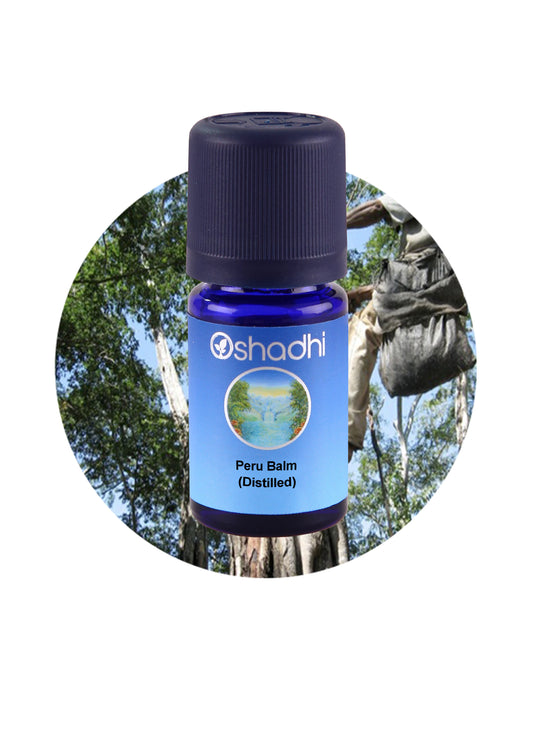

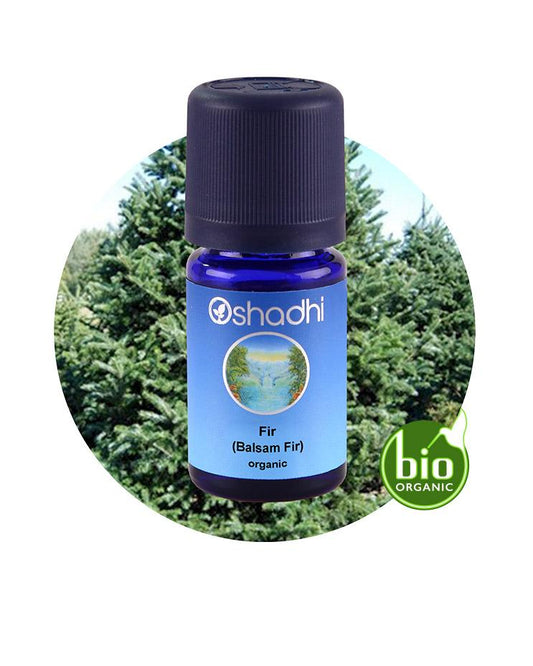


The HARoma Standard
An essential oil is only as good as the record behind it. Five principles decide what the house sells, from Oshadhi, Amrita Aromatherapy and the HARoma label alike.
01 · Provenance
Every oil names one origin. The Reserve oils go further: a single source, traced from the producer to the batch.
Frankincense Sacra. Resin from wild trees in Dhofar, southern Oman, hydro-distilled, with a certificate of origin for each shipment.
Rose Otto. The damask rose of Bulgaria, steam-distilled from fresh petals in a harvest of a few weeks each year.
Australian Sandalwood. Santalum spicatum from fully traceable plantations in Western Australia, from a producer that is 50% Indigenous-owned and holds UEBT-verified sourcing.
02 · Terroir
Soil, altitude, climate and the moment of harvest shape what a plant makes. The same species grown in two places gives two different oils. Lavender from high Provence and lavender from the lowlands share a name, not a profile.
The house sets these oils side by side, by plant and by origin, so the difference can be read as well as smelled.
03 · Materia
Each oil has an entry in Materia Aromatica: species, chemotype where it applies, the part of the plant, method of extraction, origin and the constituents that define it.
The record is written for practitioners. It states what is known and stops there.
04 · Evidence
Every oil is backed by its producer's certificate of analysis. HARoma batches are released only with their own gas chromatography report. Organic is stated only where a certificate supports it.
No synthetic additives, no extenders. Oshadhi and HARoma products are never tested on animals.
05 · The Elements
Every oil in the house is filed as an element: a number, a two-letter symbol and an aromatic family. Ro is rose, Fr is frankincense, Sa is sandalwood.
It is not a chemistry chart. It is a way of reading the range by plant: what an oil is, where it sits among the others, and how to find it. Each Library is an element; the HARoma label carries the same tile on the bottle. Read the full table.